Power Systems Technical Articles

Our experts continuously work on power systems problems, and we share solutions with Practical Reference Articles.

The main topics are earthing system modeling, power cable ratings, HV/LV electrical design, protective device coordination, and arc flash studies. We cover IEC and IEEE standards.

Join 23K+ engineers and get our latest technical articles direct to your inbox as they are releasedJayson Patrick

This field is for validation purposes and should be left unchanged.
Photo of Jayson Patrick for Technical Articles page about electrical power systems Design

Choose the article category

7 mins read
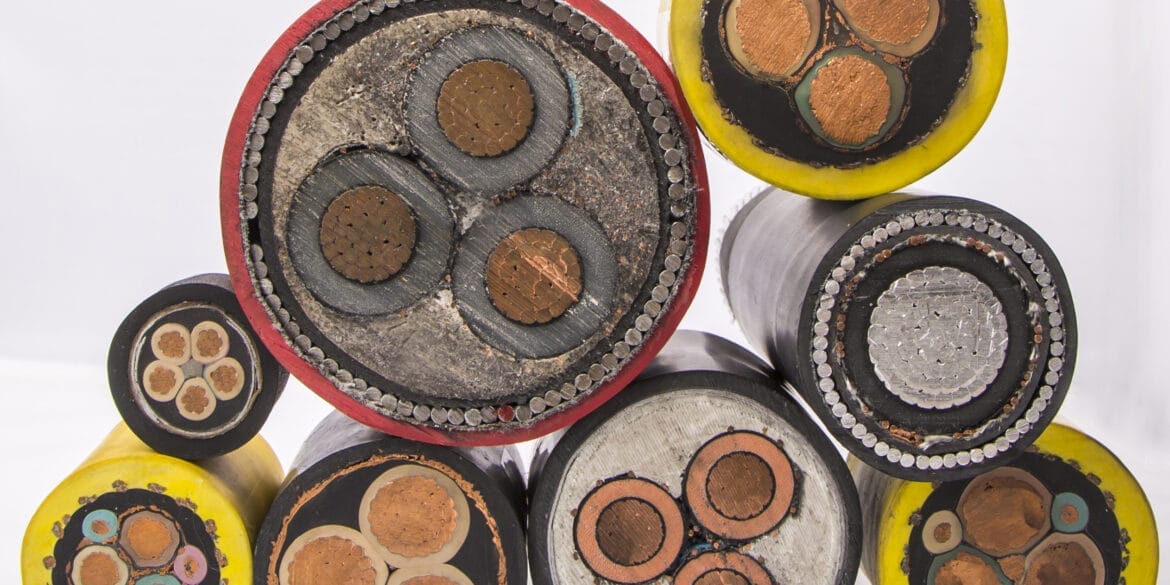
The AC resistance of a cable conductor is always larger than the DC resistance. The primary reasons are ‘skin effect’ and ‘proximity effect’. Equations and example calculations are provided in this article.
8 mins read
Accurate high voltage cable current ratings achieved - ELEK Cable HV software matches CIGRE TB 880 and performs IEC 60287 compliant calculations.
3 mins read
Explains the fundamentals of oil-filled cables current rating calculations to IEC 60287 and provides and example calculation for a 400 kV single core cable.
11 mins read
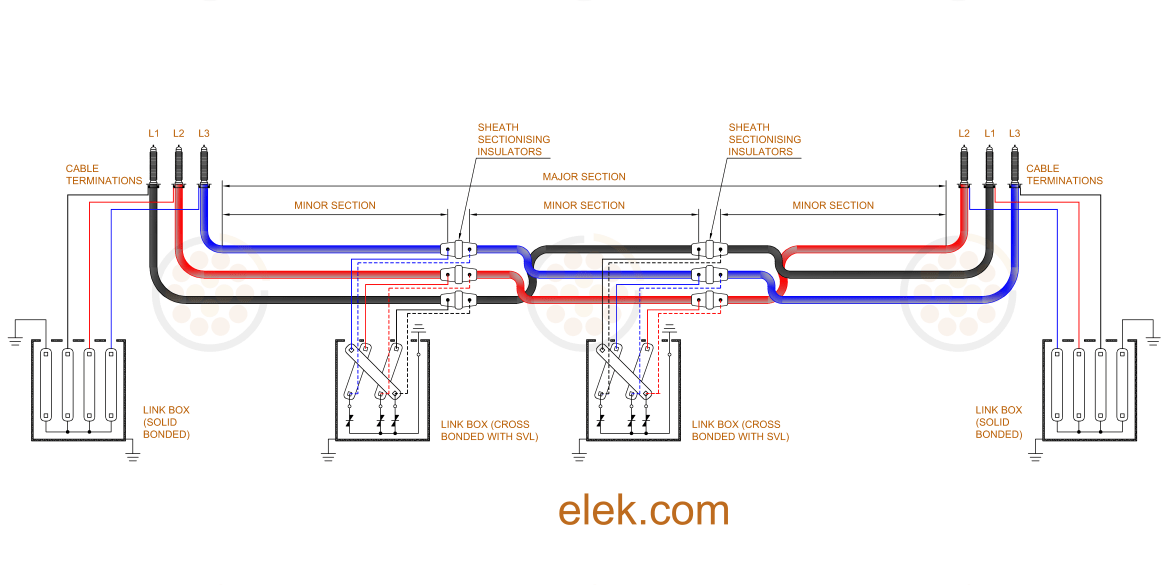
Sheath bonding is one of the most important design aspects for high-voltage cable power transmission. Solidly, single-point, and cross-bonded systems are explained.
7 mins read
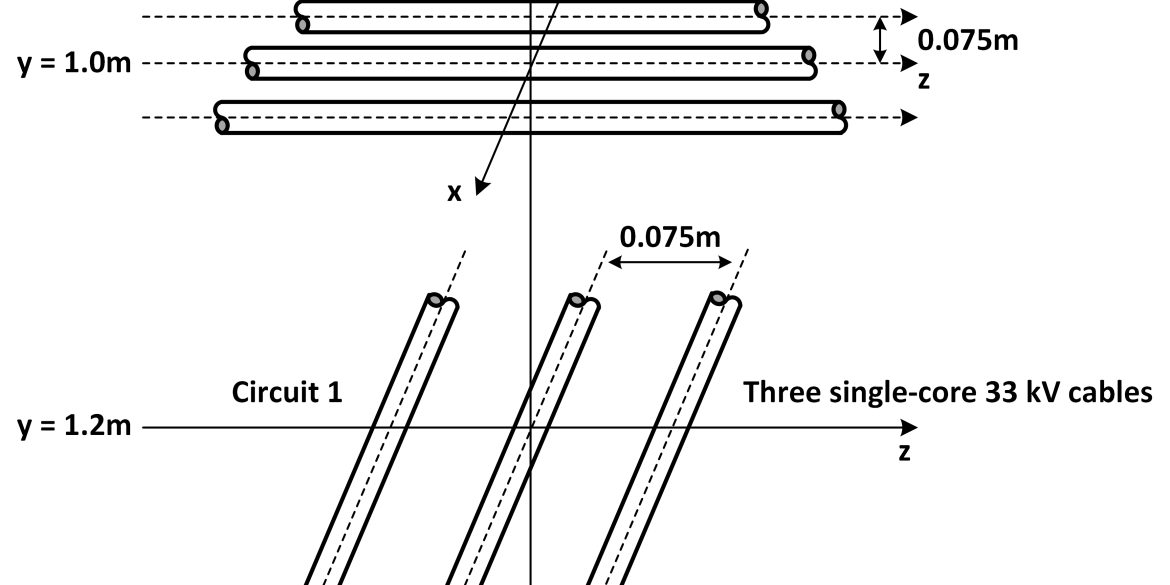
Crossing multiple cables or heat sources at a crossing angle causes a current rating reduction, calculated using IEC Standard 60287.
4 mins read
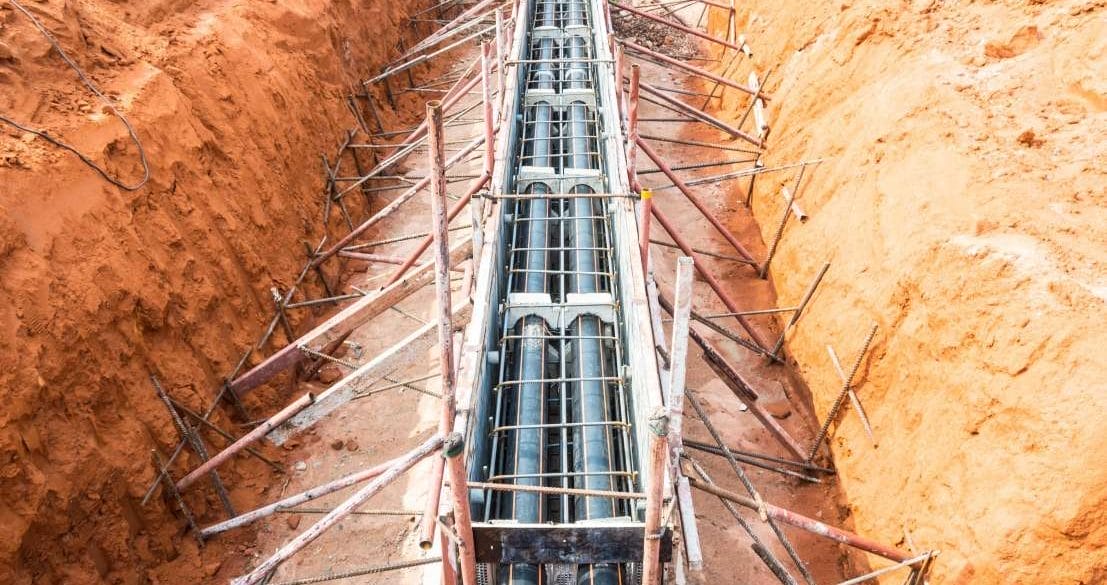
New 13 kV power circuits will be installed in an unfilled trough with ventilated covers. These new circuits will cross with existing buried 400 kV cables at approximately 90 degrees with a continuous current rating requirement of 1136 MVA (1640 A) per phase for all seasons.
8 mins read
Most power cables have a design life of between 20 to 30 years. If the cables are not fully loaded, they are expected to last beyond their design life. The insulation is the weakest part of a cable. Montsinger's Rule states: Insulation life is halved by a temperature increase of 8 to 10 ˚C. An example calculation using the Arrhenius equation is provided.

This article explains how to calculate the current rating of cables in J-tubes. Typically J-tubes are the thermal bottleneck of submarine power cable routes.
8 mins read
A new calculation method based on FEM and IEC 60287 for current rating of HV cables in soils with multiple different thermal resistivities is explained with an example calculation. Modelling the different soil thermal resistivity zones (multiple backfills) is important for obtaining accurate cable current ratings.
Generic selectors
Exact matches only
Search in title
Search in content
Post Type Selectors