Our experts continuously work on power systems problems, and we share solutions with Practical Reference Articles.
The main topics are earthing system modeling, power cable ratings, HV/LV electrical design, protective device coordination, and arc flash studies. We cover IEC and IEEE standards.
Join 23K+ engineers and get our latest technical articles direct to your inbox as they are released – Jayson Patrick
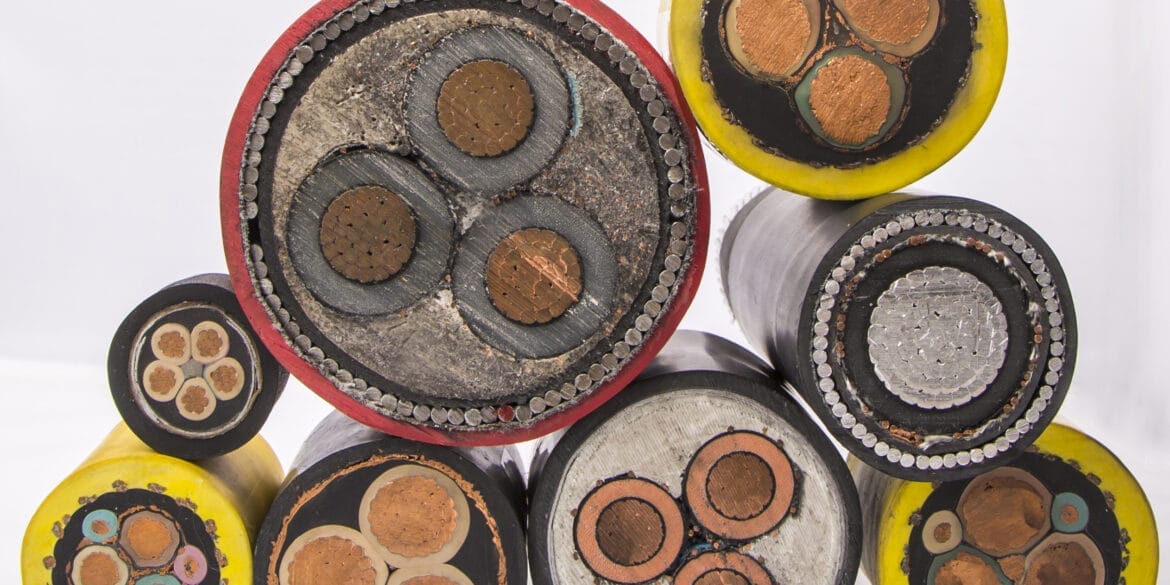
The AC resistance of a cable conductor is always larger than the DC resistance. The primary reasons are ‘skin effect’ and ‘proximity effect’. Equations and example calculations are provided in this article.
DC cable sizing has significant implications on a PV system's performance, total cost, and safety. Example calculations of Current Rating and Voltage Rise have been provided.
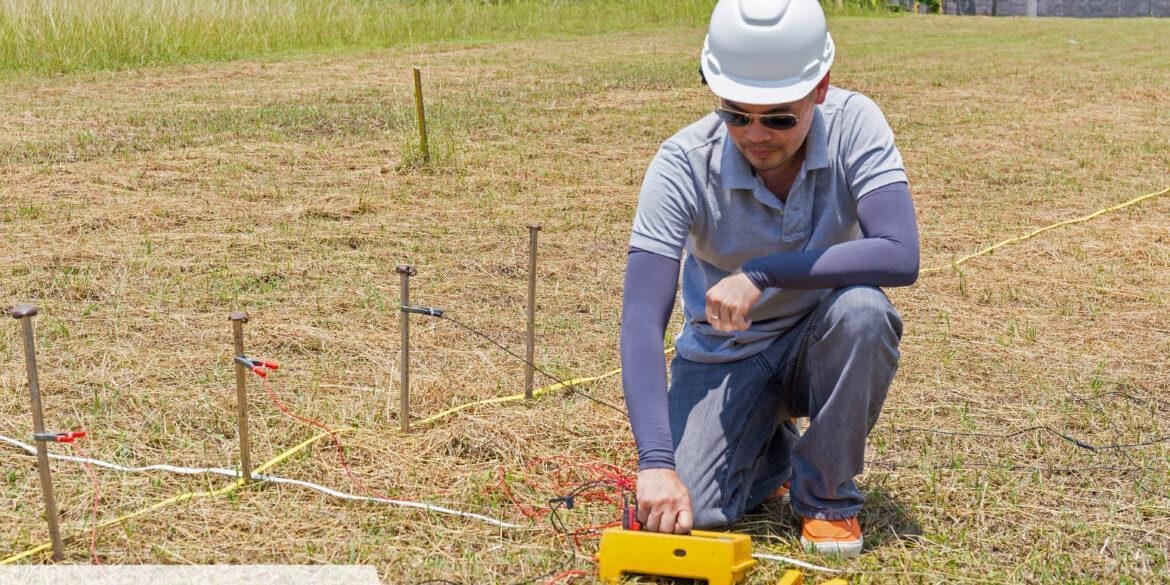
Soil electrical resistivity varies based on several factors. Use these tables to validate your soil measurements or devise a soil model without having measurements for preliminary earthing/grounding designs.
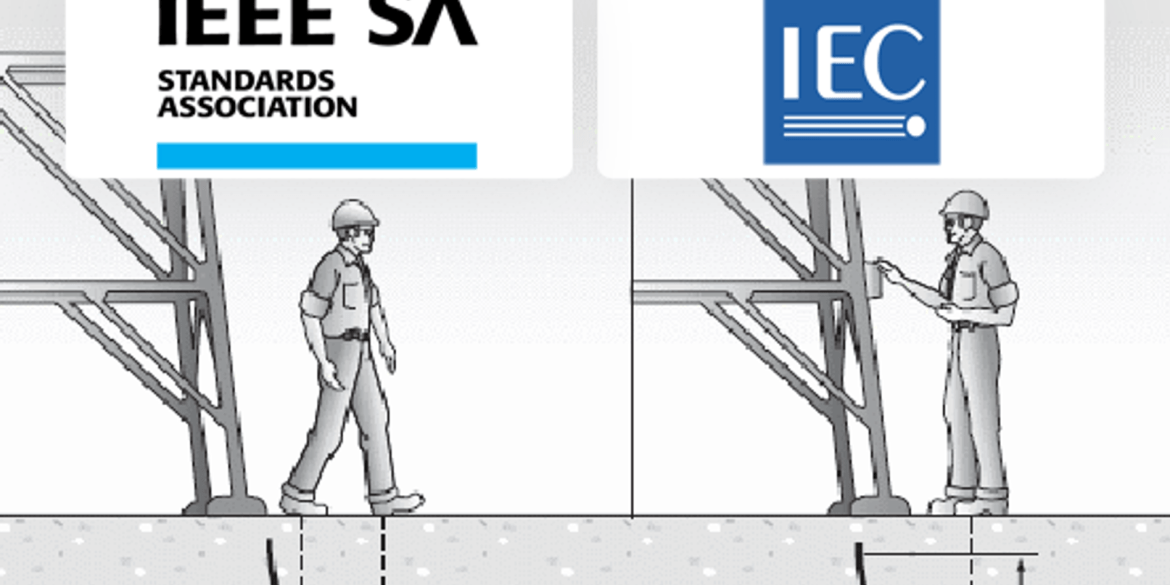
A safe earthing system design has two objectives; to provide a means to carry normal and fault current without exceeding equipment limits or adversely affect continuity of service and to reduce the risk of a person in the vicinity of an earthed facility being exposed to the danger of a critical electric shock.
The fault current which flows in a power cable causes its temperature to rise dramatically. The adiabatic equations for calculating the minimum conductor size to withstand the short circuit are explained.
High voltage cable sheath induced voltages and currents theory is explained, with equations, bonding strategies and case study for a safe cable design.
It's difficult to decide on the thermal resistivity of soil or backfill to use for cable rating studies. The typical thermal resistivities of common native soils and engineered materials used as backfills for buried cables are provided in tables.