Power Systems Technical Articles

Our experts continuously work on power systems problems, and we share solutions with Practical Reference Articles.

The main topics are earthing system modeling, power cable ratings, HV/LV electrical design, protective device coordination, and arc flash studies. We cover IEC and IEEE standards.

Join 23K+ engineers and get our latest technical articles direct to your inbox as they are releasedJayson Patrick

This field is for validation purposes and should be left unchanged.
Photo of Jayson Patrick for Technical Articles page about electrical power systems Design

Choose the article category

13 mins read
The technical guide explains the electrical systems, local WTG and combined earthing system design, touch and step voltage hazards, soil electrical resistivity measurements, earth fault currents, earthing system software modelling, and validation testing of earthing for wind farms.

4 mins read
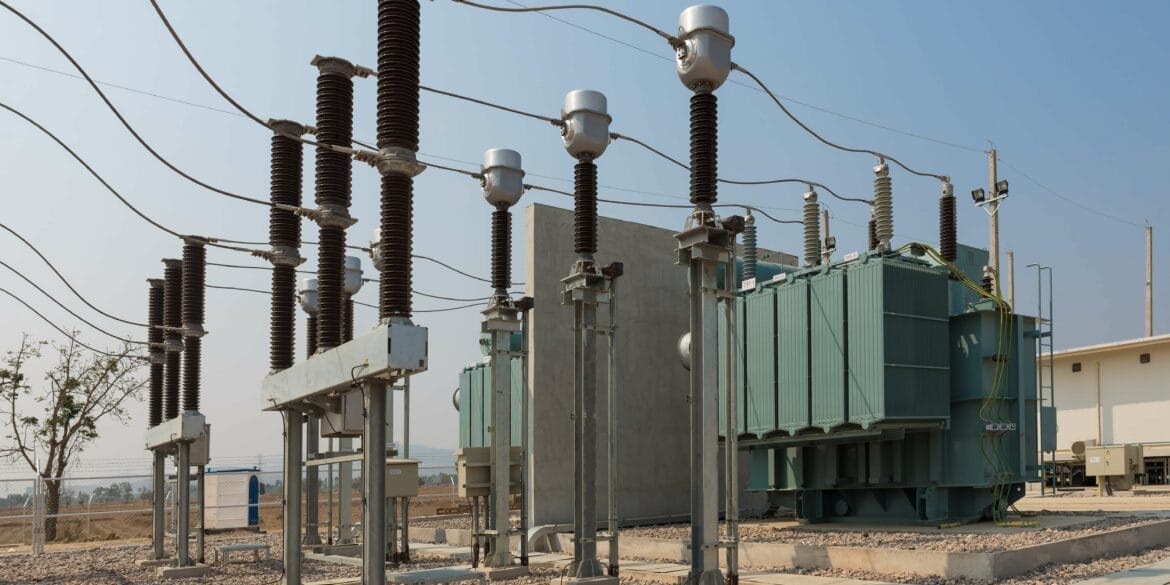
There are two reasons, according to the standards, why crushed rock or gravel is laid in substations, as explained in this article.
11 mins read
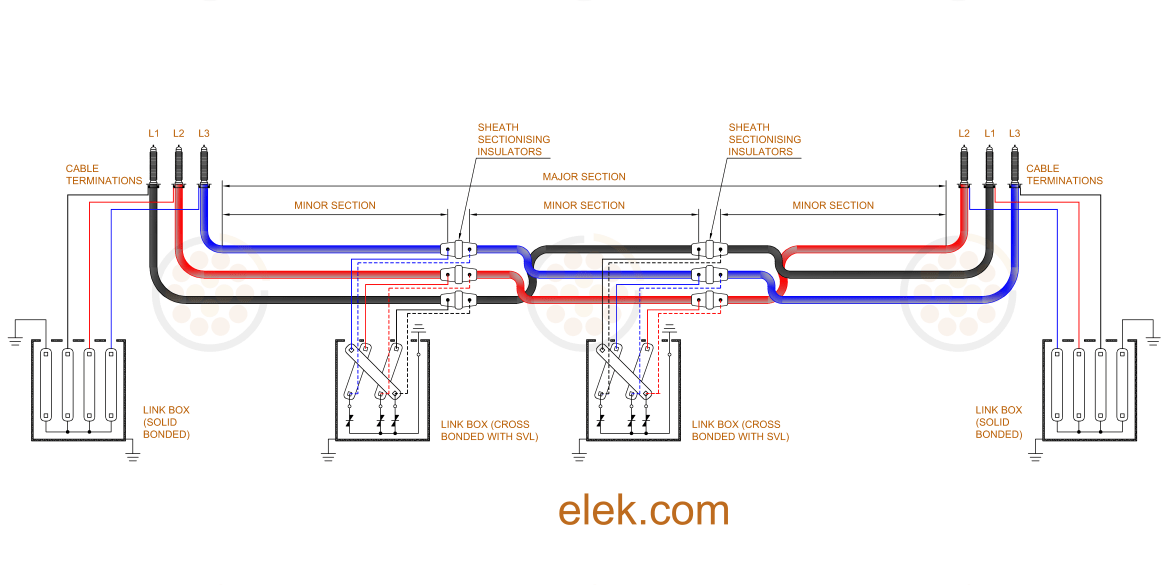
Sheath bonding is one of the most important design aspects for high-voltage cable power transmission. Solidly, single-point, and cross-bonded systems are explained.
1 min read
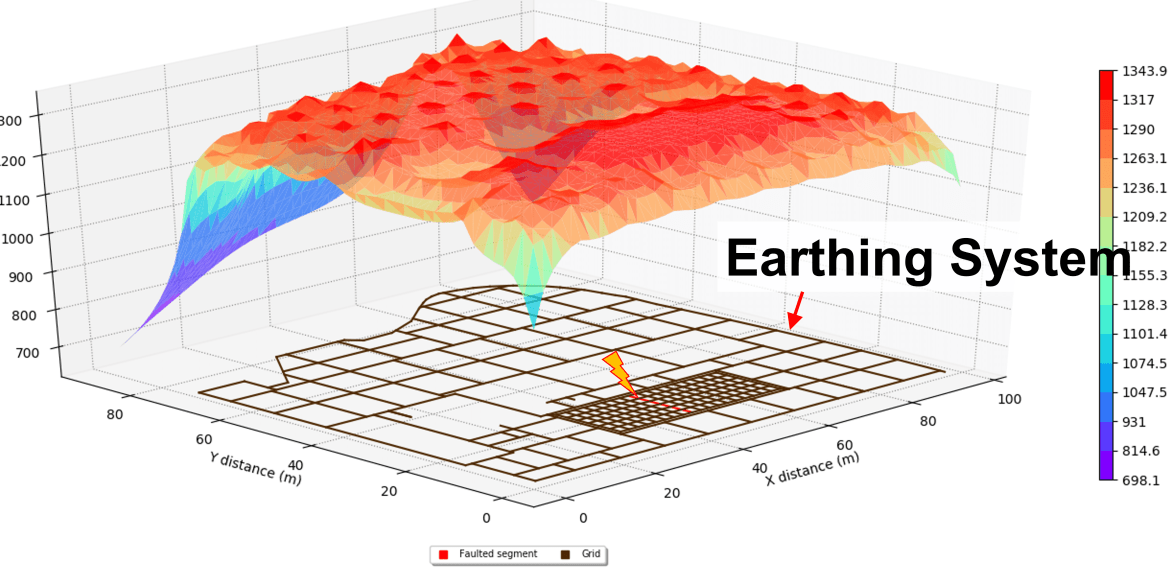
During an earth fault on a substation earth grid, the flow of current to the earth will produce voltage gradients. An earth grid that is properly designed will safely dissipate current into the ground.
The fault current which flows in a power cable causes its temperature to rise dramatically. The adiabatic equations for calculating the minimum conductor size to withstand the short circuit are explained.
4 mins read
Reach touch voltages are different to touch voltages and automatically set to zero when the distance between the voltage point on the ground surface and the grid conductor which is touched exceeds a reach distance.
7 mins read
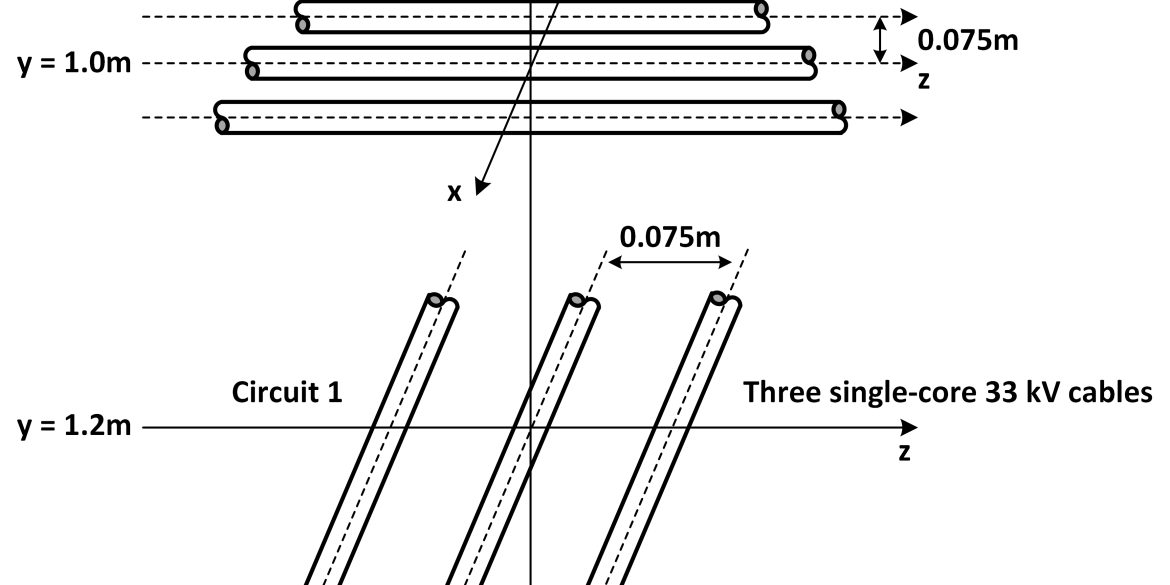
Crossing multiple cables or heat sources at a crossing angle causes a current rating reduction, calculated using IEC Standard 60287.
4 mins read
New 13 kV power circuits will be installed in an unfilled trough with ventilated covers. These new circuits will cross with existing buried 400 kV cables at approximately 90 degrees with a continuous current rating requirement of 1136 MVA (1640 A) per phase for all seasons.
8 mins read
Most power cables have a design life of between 20 to 30 years. If the cables are not fully loaded, they are expected to last beyond their design life. The insulation is the weakest part of a cable. Montsinger's Rule states: Insulation life is halved by a temperature increase of 8 to 10 ˚C. An example calculation using the Arrhenius equation is provided.
Generic selectors
Exact matches only
Search in title
Search in content
Post Type Selectors