Power Systems Technical Articles

Our experts continuously work on power systems problems, and we share solutions with Practical Reference Articles.

The main topics are earthing system modeling, power cable ratings, HV/LV electrical design, protective device coordination, and arc flash studies. We cover IEC and IEEE standards.

Join 23K+ engineers and get our latest technical articles direct to your inbox as they are releasedJayson Patrick

This field is for validation purposes and should be left unchanged.
Photo of Jayson Patrick for Technical Articles page about electrical power systems Design

Choose the article category

5 mins read
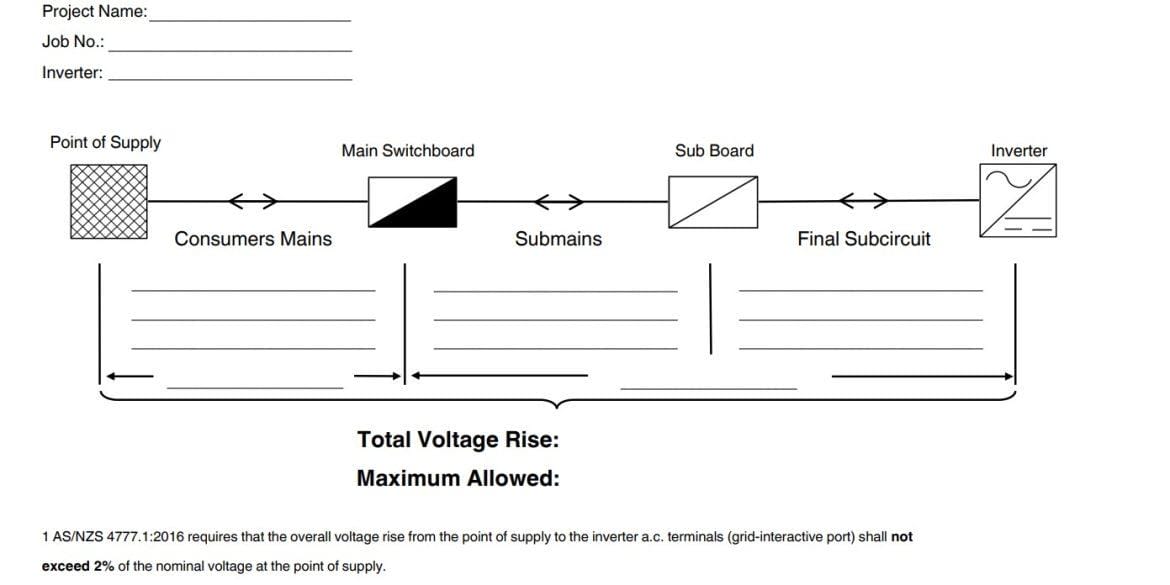
Advanced voltage drop calculations for electrical cables. Learn how power factor, cable temperature, impedance, motors, and installation conditions affect voltage drop.
Based on extensive field experience, this article recommends the best materials for cable trays for use in offshore facilities such as offshore wind, solar, and oil rigs.
3 mins read
Soil resistivity is one of the most critical factors affecting earthing and grounding system performance and safety. In cold climates, the top-soil layers may be frozen during the winter or spring seasons, and resistivity may increase to as high as 10,000 Ω.m in the frozen soil layers. This can give rise to significant touch voltage hazards during an earth fault.
4 mins read
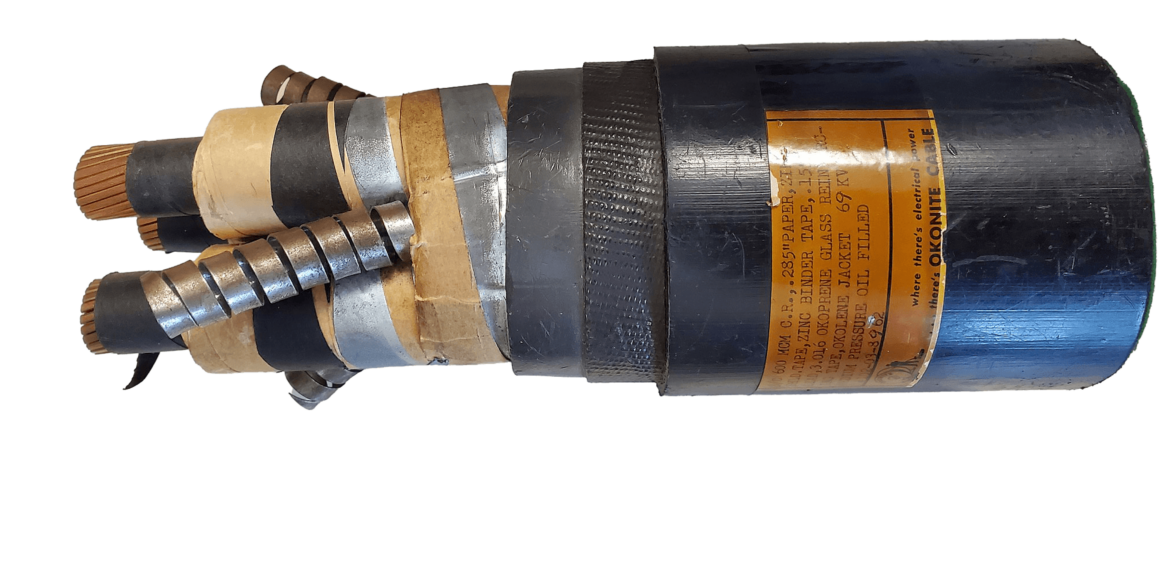
The standard HV cable rating calculation methods do not cover all real-world situations. This article proposes a new method of finding the current rating for 10 cables touching in the air.
4 mins read
New 13 kV power circuits will be installed in an unfilled trough with ventilated covers. These new circuits will cross with existing buried 400 kV cables at approximately 90 degrees with a continuous current rating requirement of 1136 MVA (1640 A) per phase for all seasons.
4 mins read
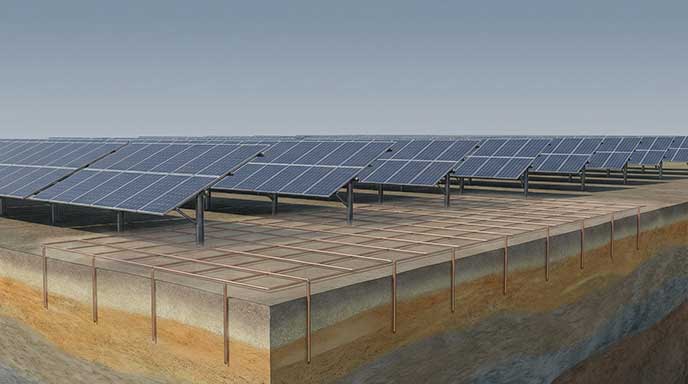
Design methods that reduce earth grid resistance, comparing relative effectiveness and practical limitations in grounding system design.
This article shows the effects of soil resistivity and thickness of layers on grid resistance for earthing systems in multilayer soils. Increasing the resistivity of soil layers tends to increase the grid resistance, no matter which soil layer that is. Increasing the thickness of any soil layer with high resistivity also increases grid resistance and if the soil layer thickness is increased for a low resistivity layer then the grid resistance will decrease. Software modelling is performed and the results are compared and shown to match well with those from CDEGS software.
4 mins read
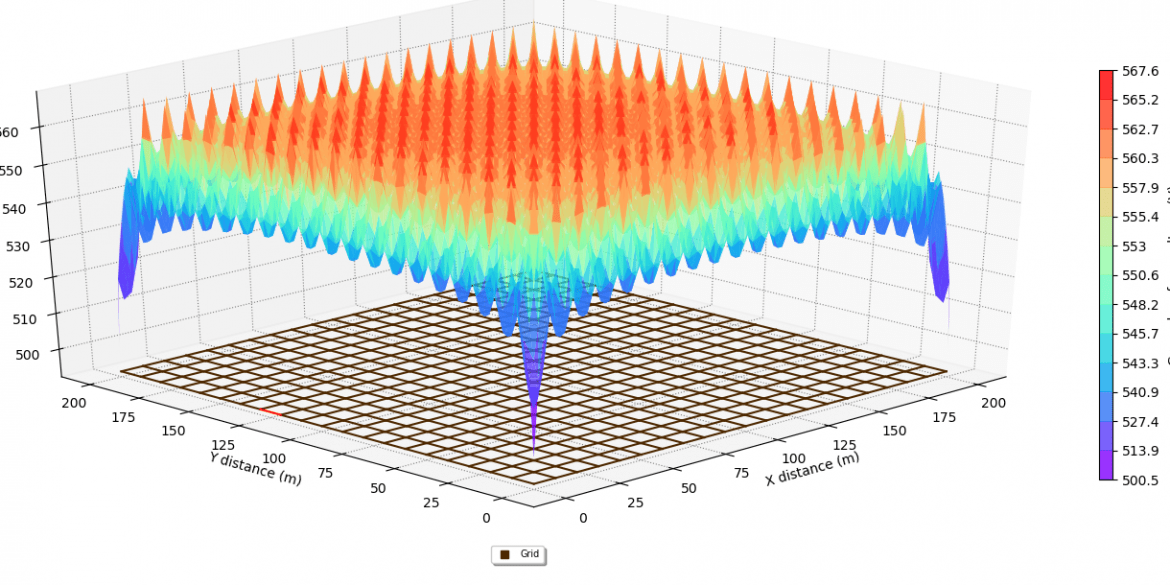
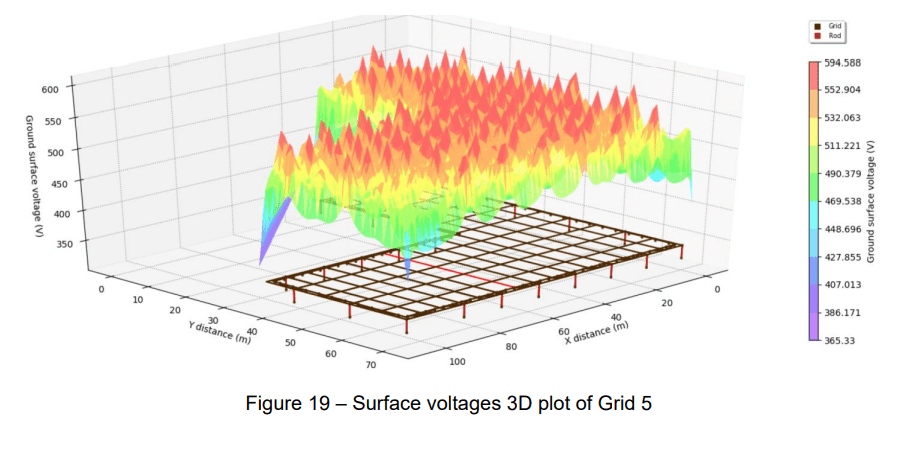
To show how and when earthing rods can be used to improve the safety of earthing grids by reducing the grid resistance and potential rise (GPR) as well as surface, step and touch potentials.
10 mins read
Finite element method (FEM) HV cable ampacity calculations benchmarked against CIGRE TB 963 and IEC 60287 to confirm accurate high-voltage cable ratings.
Generic selectors
Exact matches only
Search in title
Search in content
Post Type Selectors