Our experts continuously work on power systems problems, and we share solutions with Practical Reference Articles.
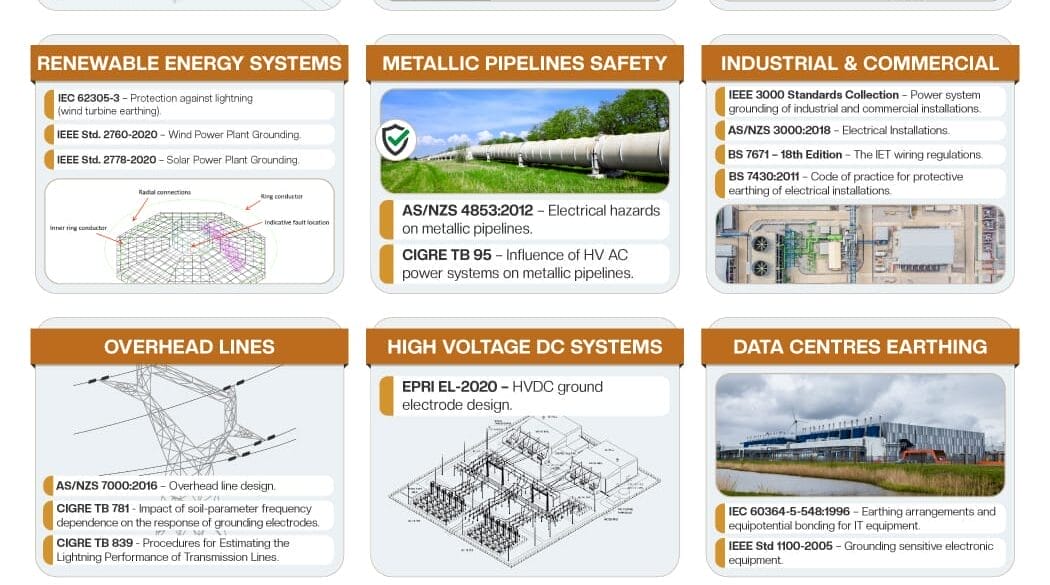
The main topics are earthing system modeling, power cable ratings, HV/LV electrical design, protective device coordination, and arc flash studies. We cover IEC and IEEE standards.
Join 23K+ engineers and get our latest technical articles direct to your inbox as they are released – Jayson Patrick
The AS/NZS 3000 Standard provides different rules in Appendix C for maximum demand with socket-outlets for domestic, commercial, and industrial electrical installations. Calculation examples are provided involving double socket-outlets.
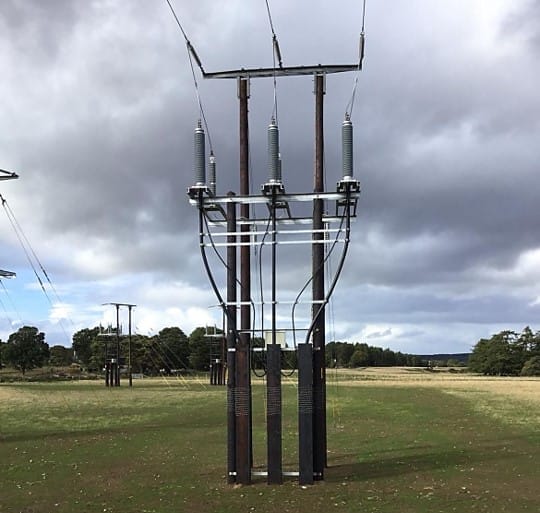
This report explains how to perform accurate earth fault current analysis for substations connected by cable transmission lines. Earth fault currents for simple cable and overhead transmission lines are explained first. Next, two case studies involving hybrid cable transmission lines are presented.
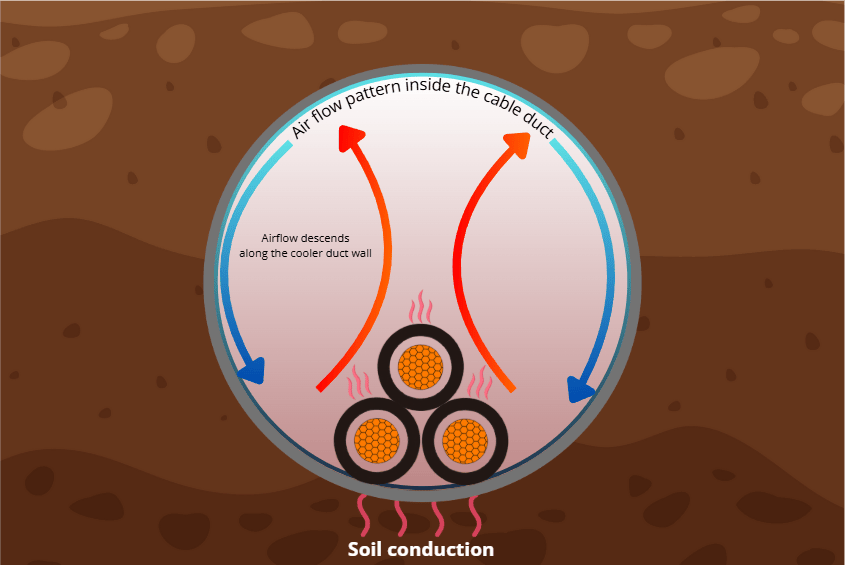
Accurate ampacity for multiple cable circuits in a duct using FEM: Learn how mutual heating and duct arrangement impact safe, efficient cable design in solar PV systems.
This article provides typical values for surface layer resistivity to be used for earthing and ground electrical calculations of touch and step voltages.